Reality based, non-fiction artist
I construct situations where visitors are compelled
to rebuild violence from its absence.
Scroll
Manifesto
There is something obscene in the way we consume war now.
It arrives not with the weight of history or the stench of blood,
but as a fleeting image on a screen.
Compressed between an influencer’s breakfast
and an ad for the latest electric car.
The crying child in a cratered street.
The severed limb in the rubble.
The dust cloud hanging like a ghost.
All of it is real.
The camera does not lie.
But the camera cannot speak.
What it captures is stripped of its context.
Violence, without memory.
Suffering, without history.
The viewer scrolls on.
The missile strike dissolves into a meme.
The tragedy fades behind a tap.
We are living through a collapse of moral proportion.
War and comedy. Atrocity and lifestyle tips.
Carnage and celebrity news.
All of it delivered in the same feed.
All of it treated the same.
Even the legacy media now trades in euphemism.
“Surgical intervention.”
“Kinetic action.”
“Targeted neutralization.”
Words chosen not to disturb.
Not to offend. Not to feel.
This detachment is not neutral.
It shapes opinion. It shields us from guilt.
It makes war seem manageable.
And a war that is not felt is a war we can ignore.
The tragedy is real for those who endure it.
But unreal for those who consume it.
Filtered. Softened. Suspended between spectacle and fact.
Yet anyone who has stood where the camera stands
knows how violently the screen is void of meaning.
As a conflict photographer, I have been there.
I have heard the aftermath of shelling at dawn.
It still vibrates in my ribs.
I smelled the bitterness of torn steel.
Of melted plastic. Of burning flesh.
I have seen a father kiss a scorched plank of wood.
That once was the door to his child’s room.
In my work, I try to tear through that veil.
Not to show war, but to make it present.
Not to trigger emotion, but to restore agency.
Because war has many dimensions.
And unless we find ways to feel what we cannot see,
we become numb to the horrors,
untouched by the very catastrophes we allow to continue.
Works
001
2026 — Ongoing
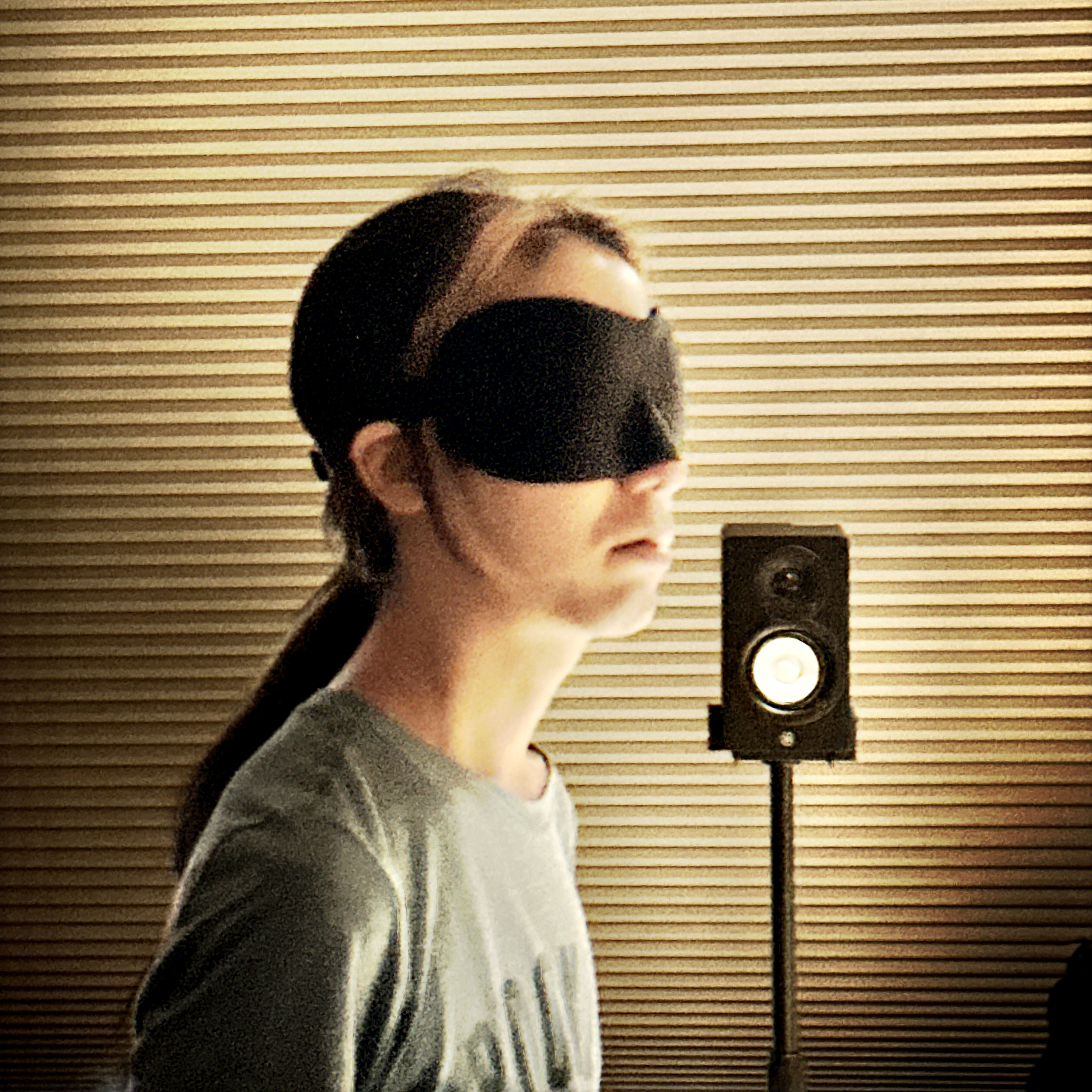
The Perimeter is an immersive sound installation that unveils the resilience of civilians across war — not one conflict, but a universal condition. Up to four blindfolded visitors stand inside an eight-speaker circle at ear height, where proximity, rhythm, and silence carry emotion through a spatialized soundscape.
Built from field recordings gathered across war zones over the past decades — from Palestine to the DRC, Kashmir or Ukraine — the work bypasses image fatigue and restores attention to lives we have grown numb to. Here, the ear is the trigger, listening is the interface, and imagination does the seeing.
This initial iteration, developed during a residency at GOJO, Kyoto, has become the artist’s first multichannel, 360-degree sound-only experience.
The Perimeter is made possible with the generous support of the Yamauchi Foundation in Kyoto, Japan and produced by Atelier Non-Fiction.
002
2024 — Ongoing
When a missile strikes, it can produce up to 36,000 shrapnels like the one the visitor holds in their hand.
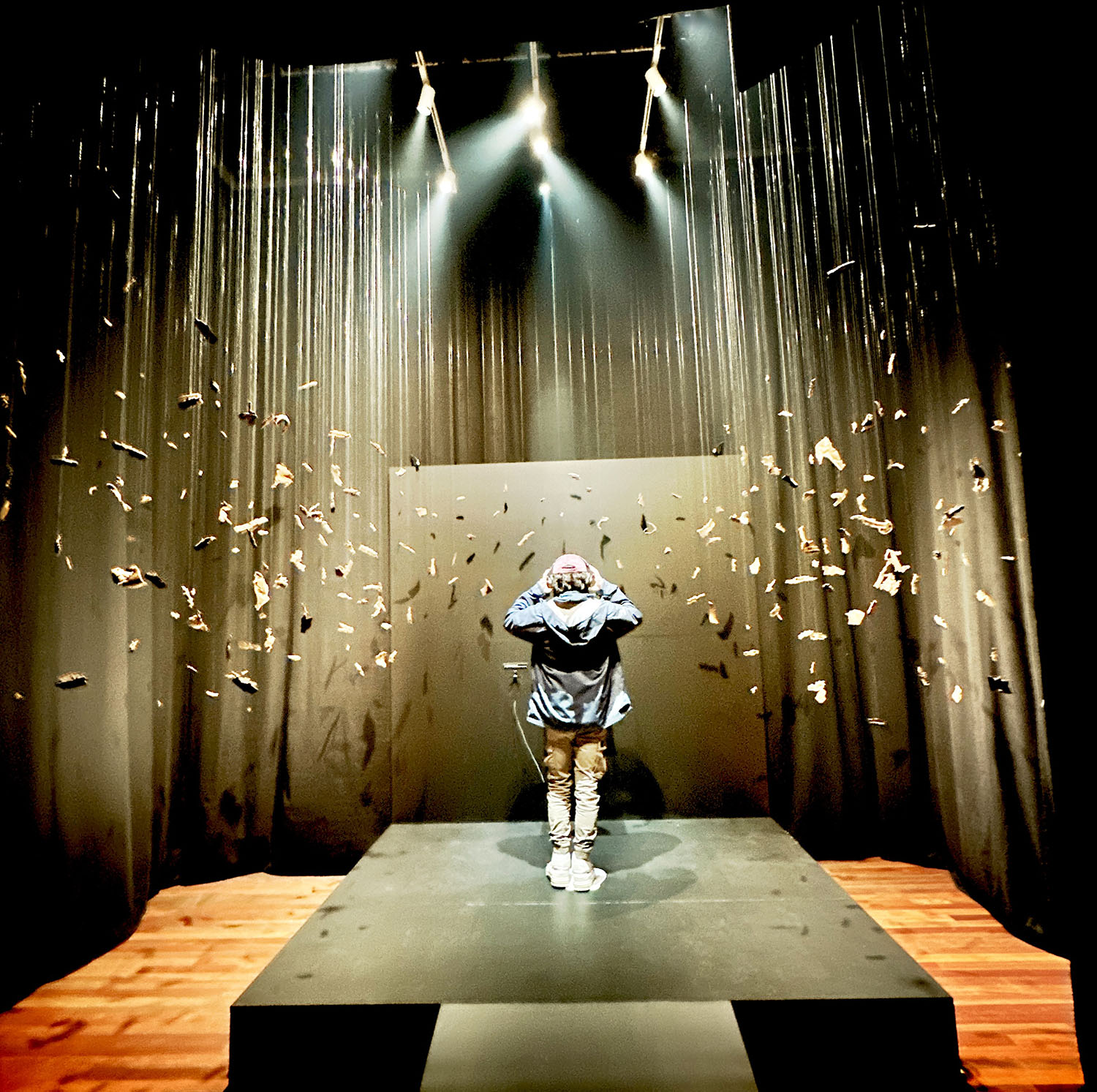
The fragments were collected by the artist from the front lines of southern Ukraine. Visitors stand inside a suspended cloud of several hundred fragments, frozen in the air. Spatial sound and live biofeedback compose the soundscape based on their physiological response. Technologies used to kill and destroy are here repurposed to care and feel presence. The current version is a single-visitor sensory installation. A full-scale, multi-visitor version is in active development.
003
2013 — Ongoing
3 conflicts. 6 combatants. 50 minutes in immersion.
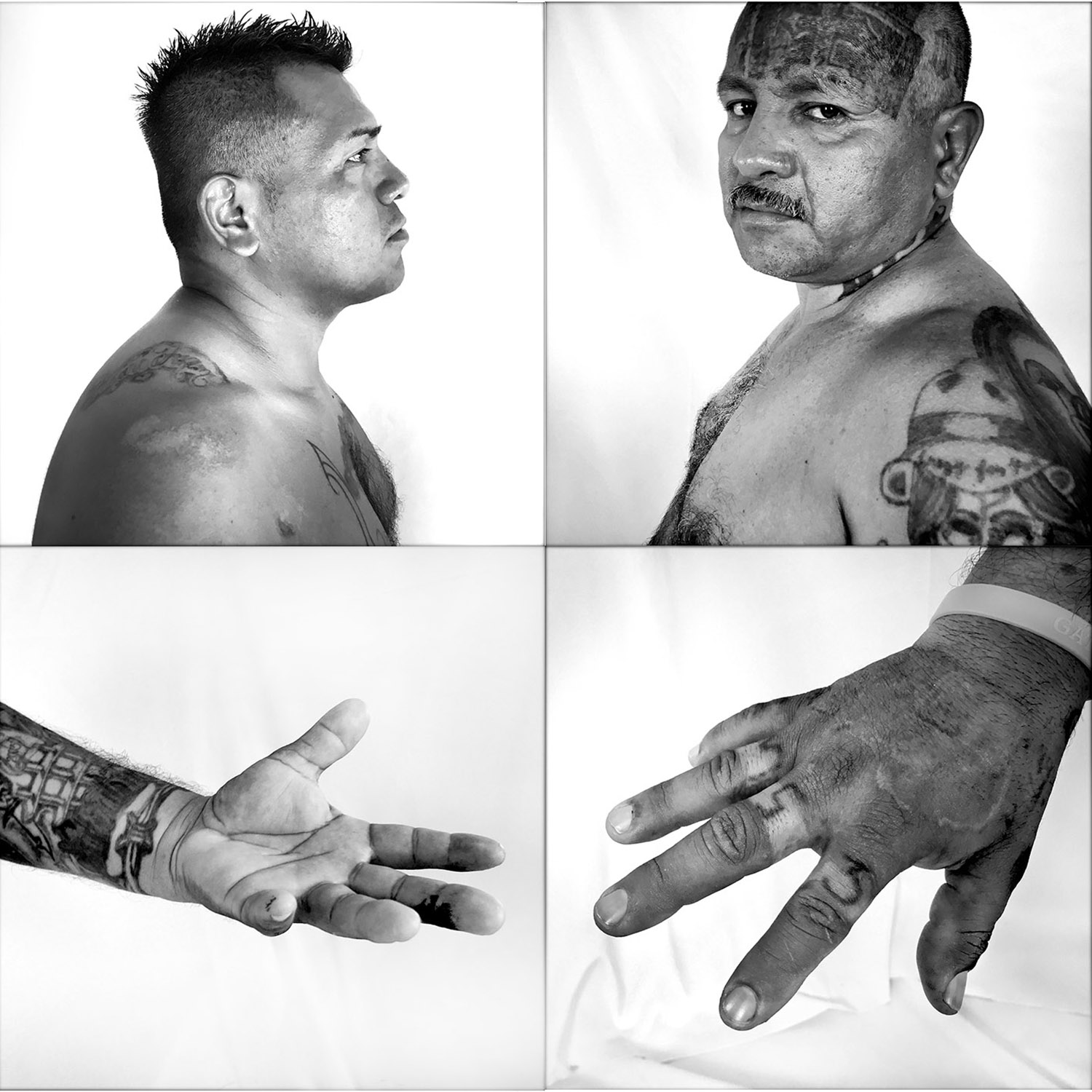
The Enemy places audiences face to face with fighters from opposite sides of wars. Israel and Palestine, the Democratic Republic of Congo, El Salvador. Each fighter speaks directly to you. Their motivations, their suffering, their dreams.
When it premiered in 2017, it was the first multi-user, location-based VR experience ever deployed publicly. It has since been technologically updated and is now available to tour.
004
2019 — 2022
An augmented reality experience that turns your smartphone into the instrument of its own indictment. Seven grams of rare earth minerals. Every phone. Every hand.
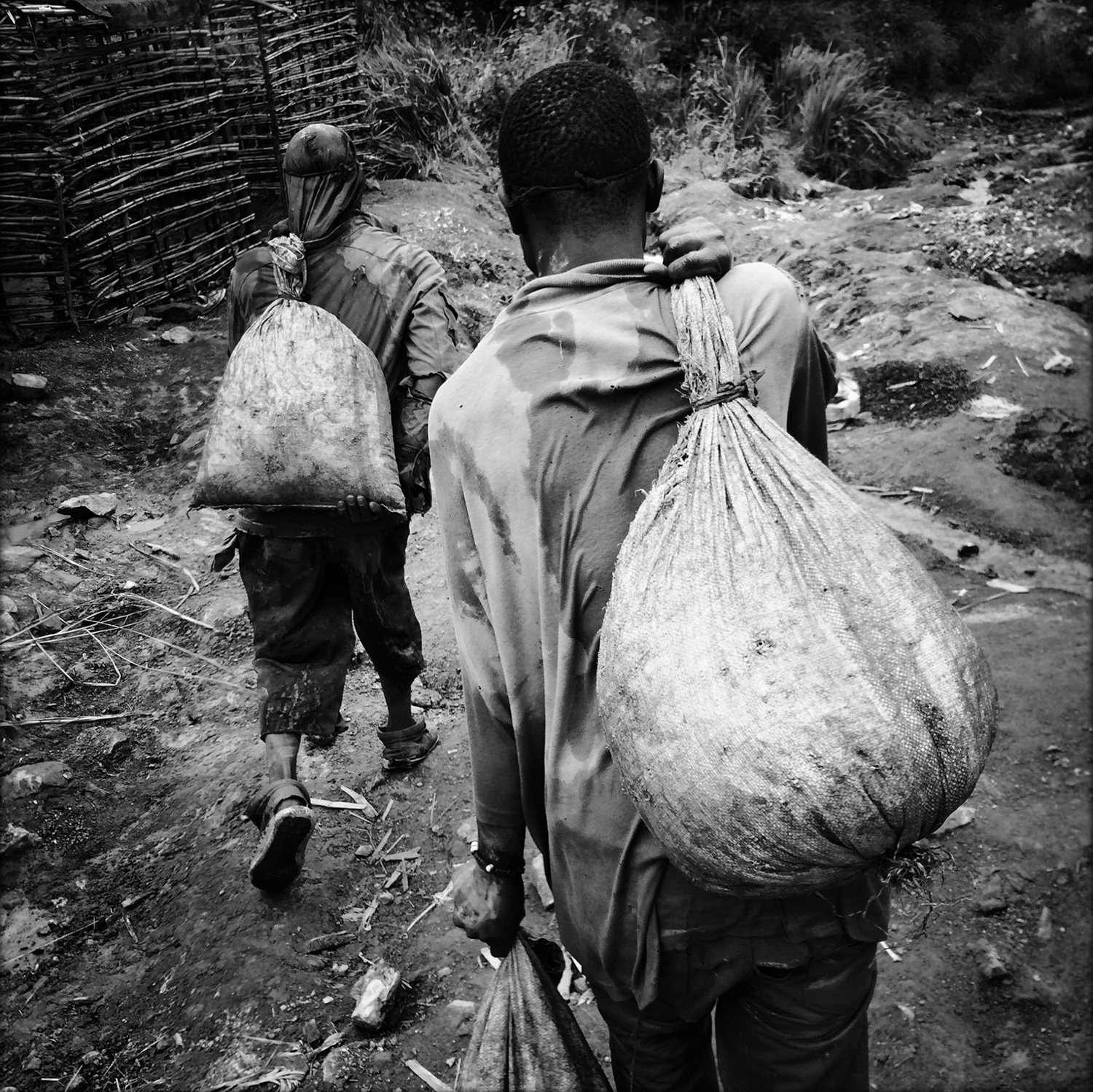
The work reveals the human cost of mineral extraction in the Democratic Republic of Congo, made visible through the very object that depends on it.
Seven Grams is a free app available on iOS and Android.
1998 — 2013
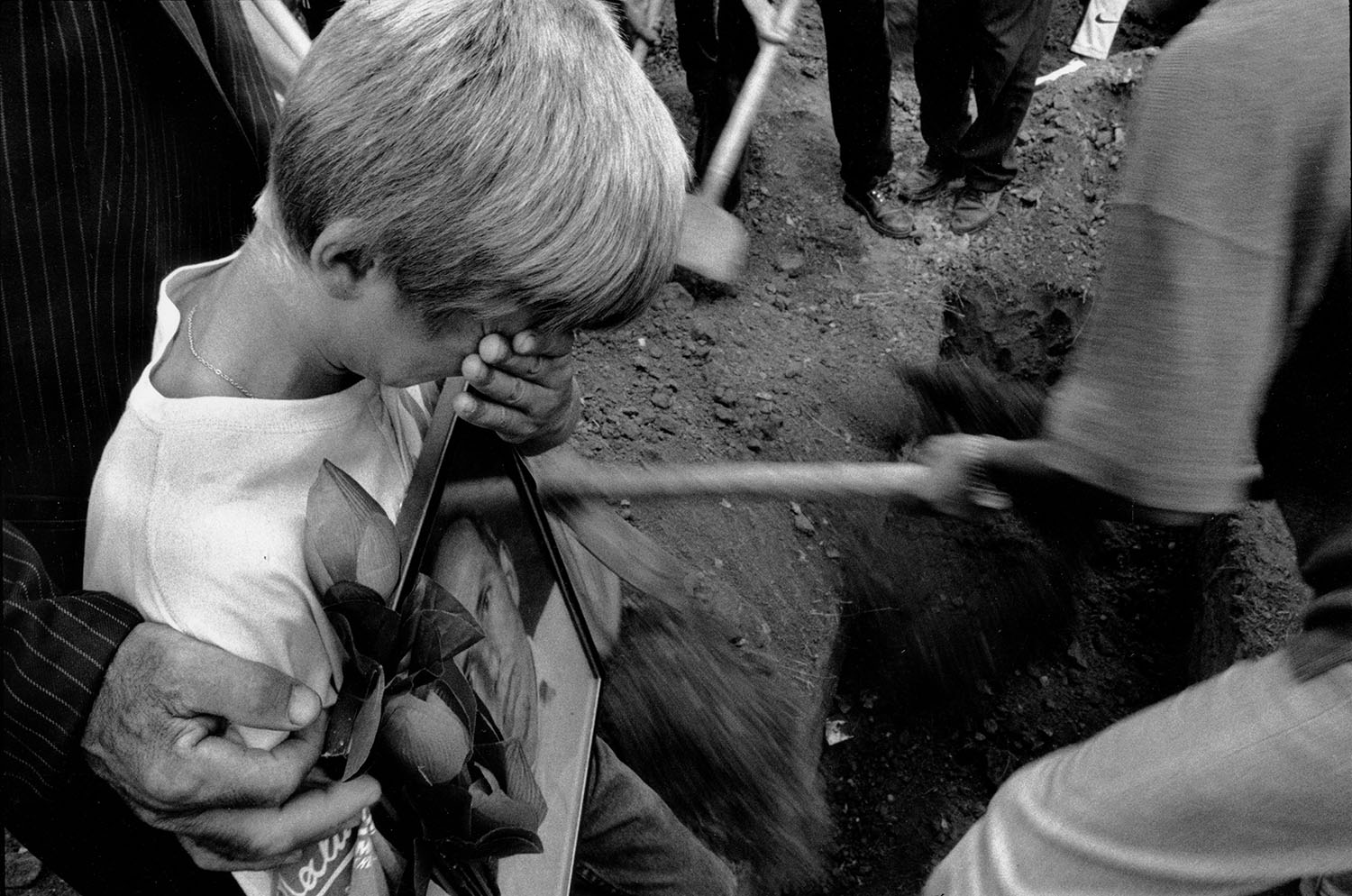
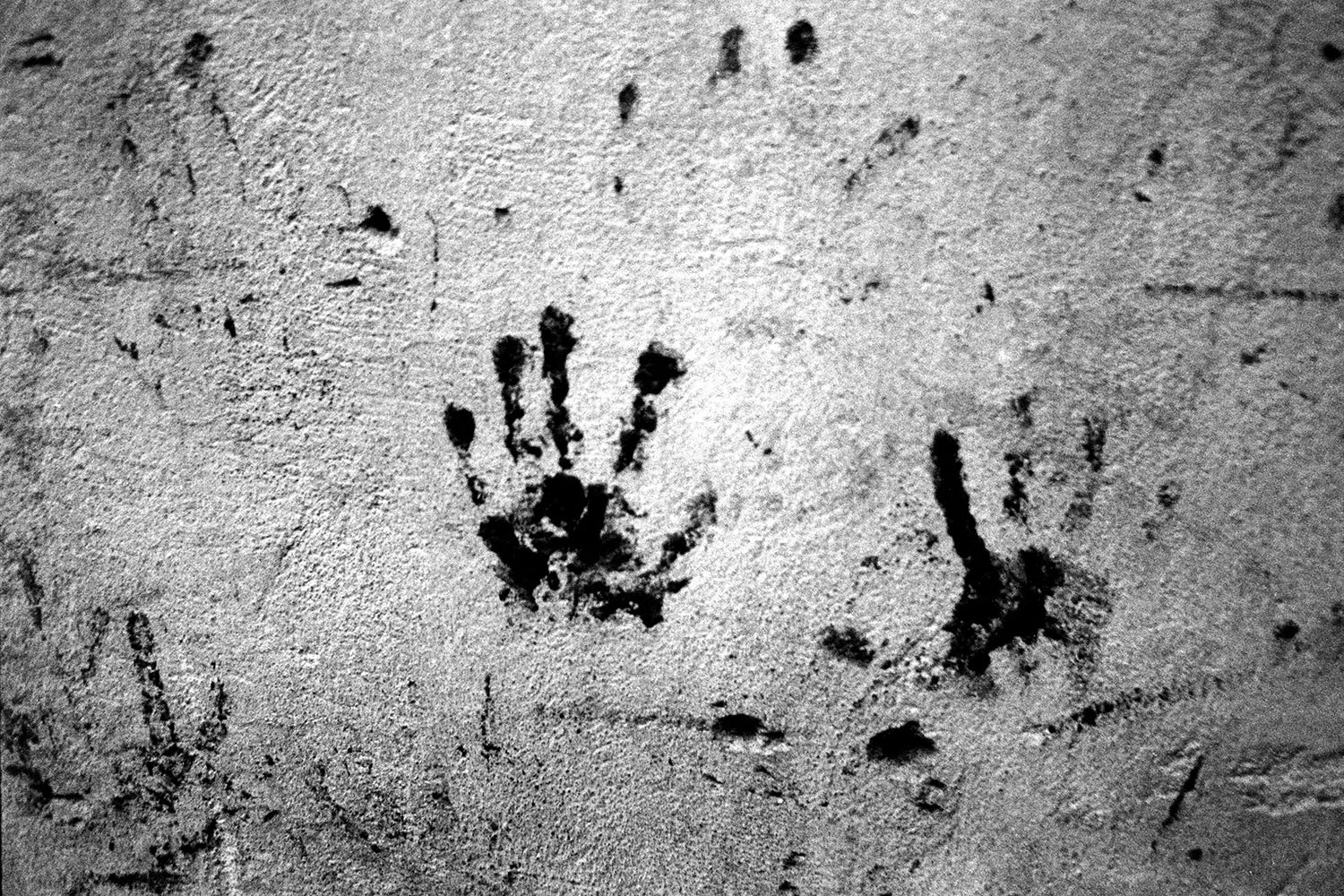
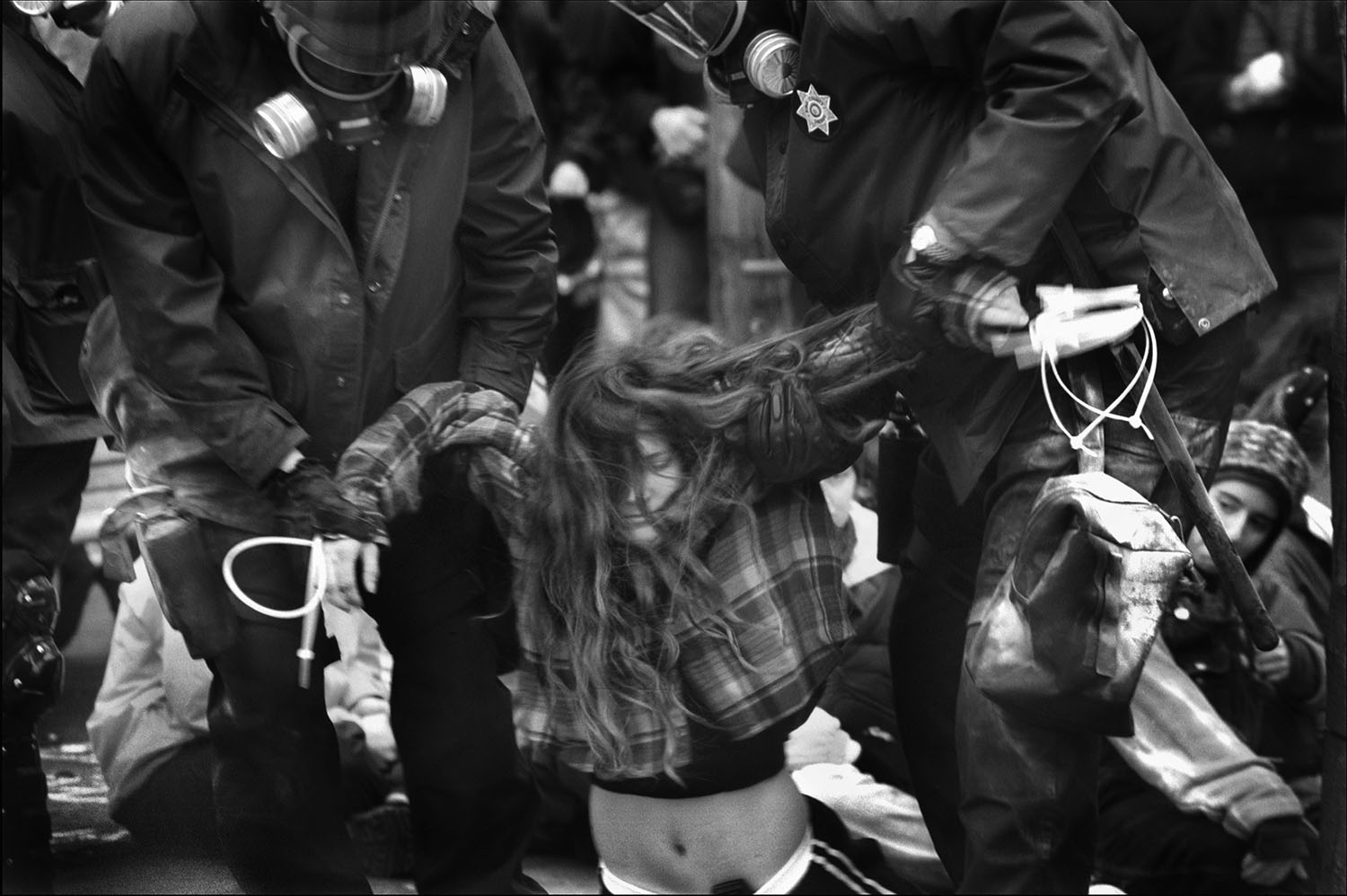
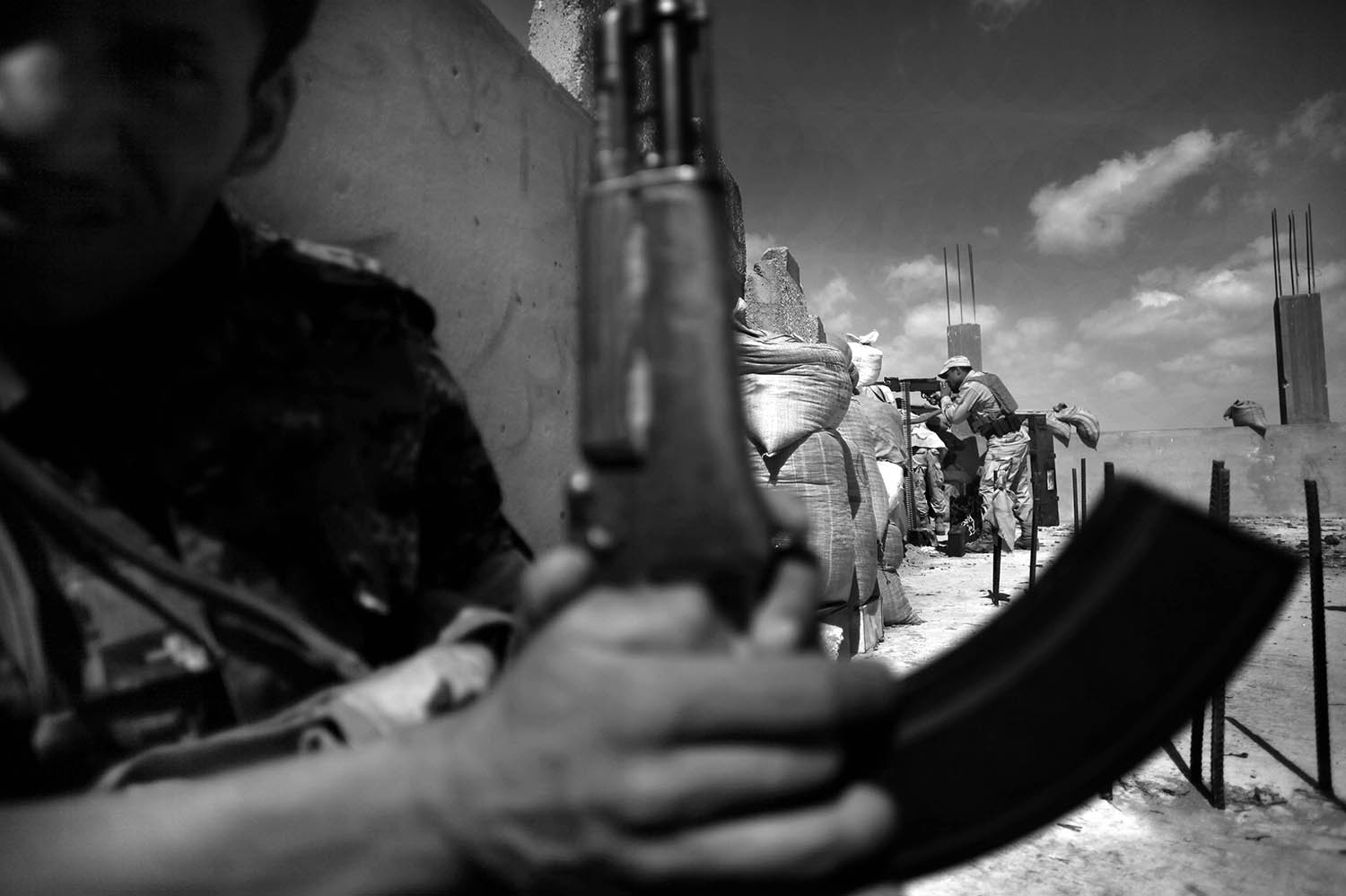
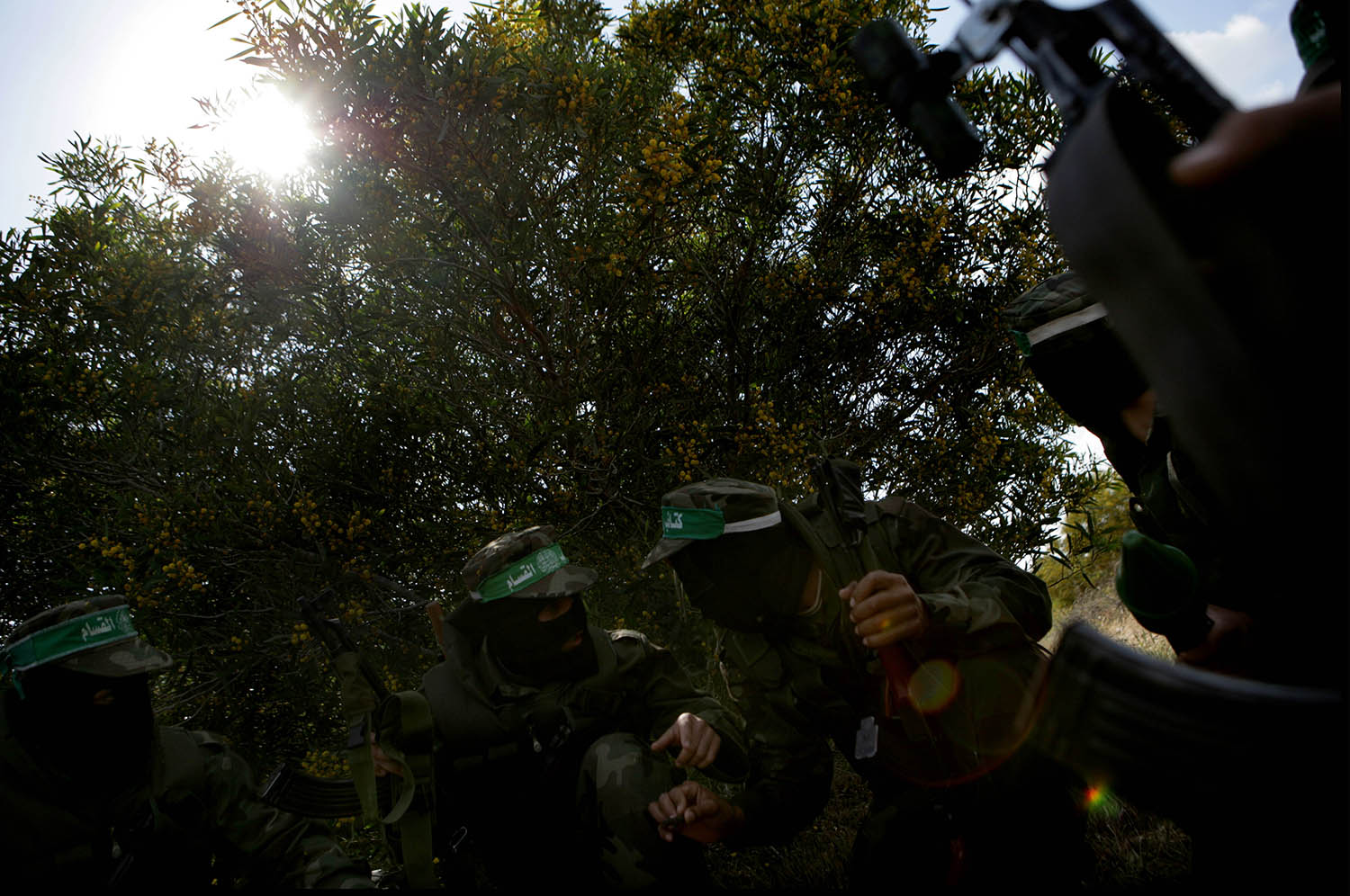
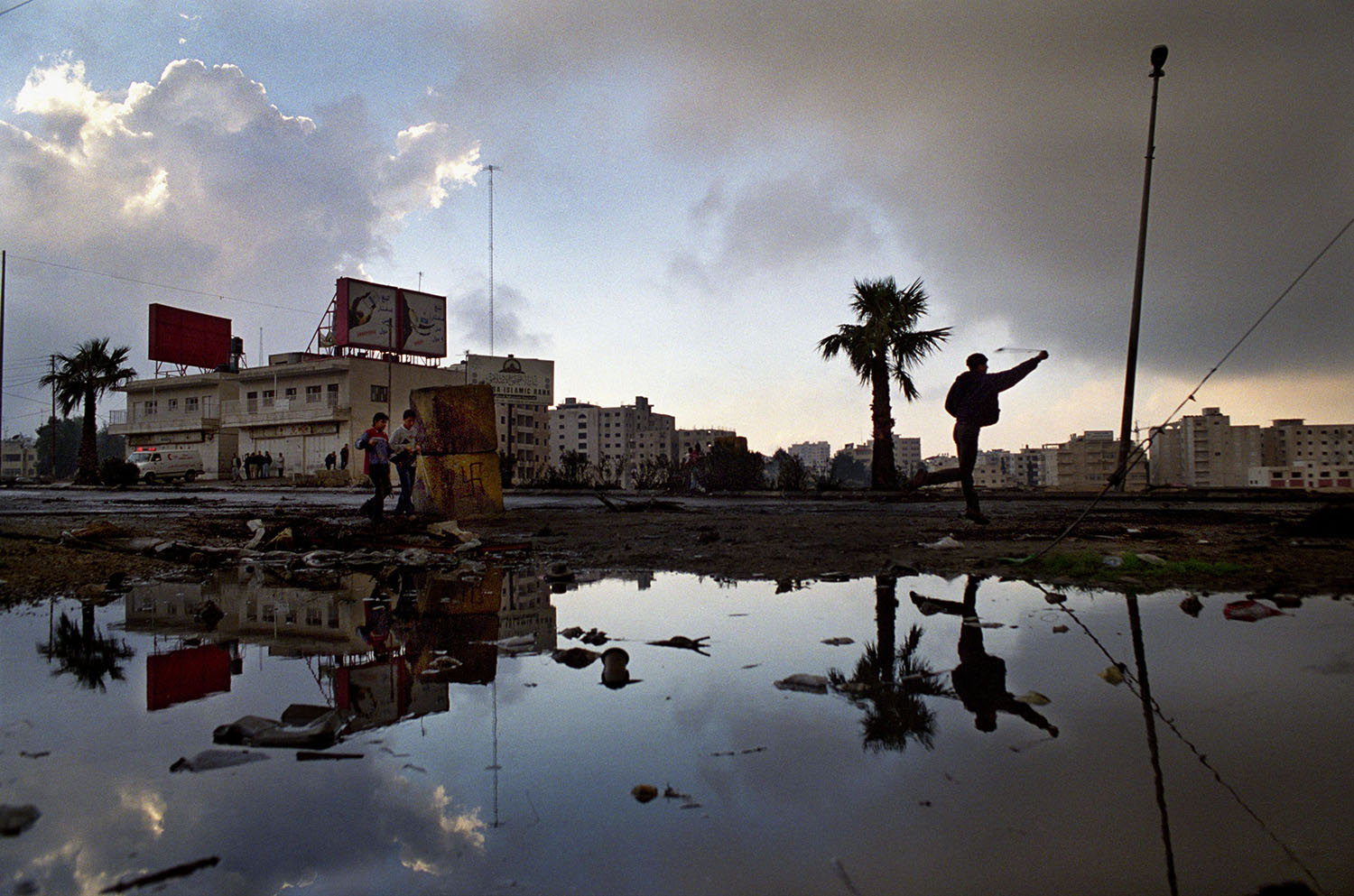
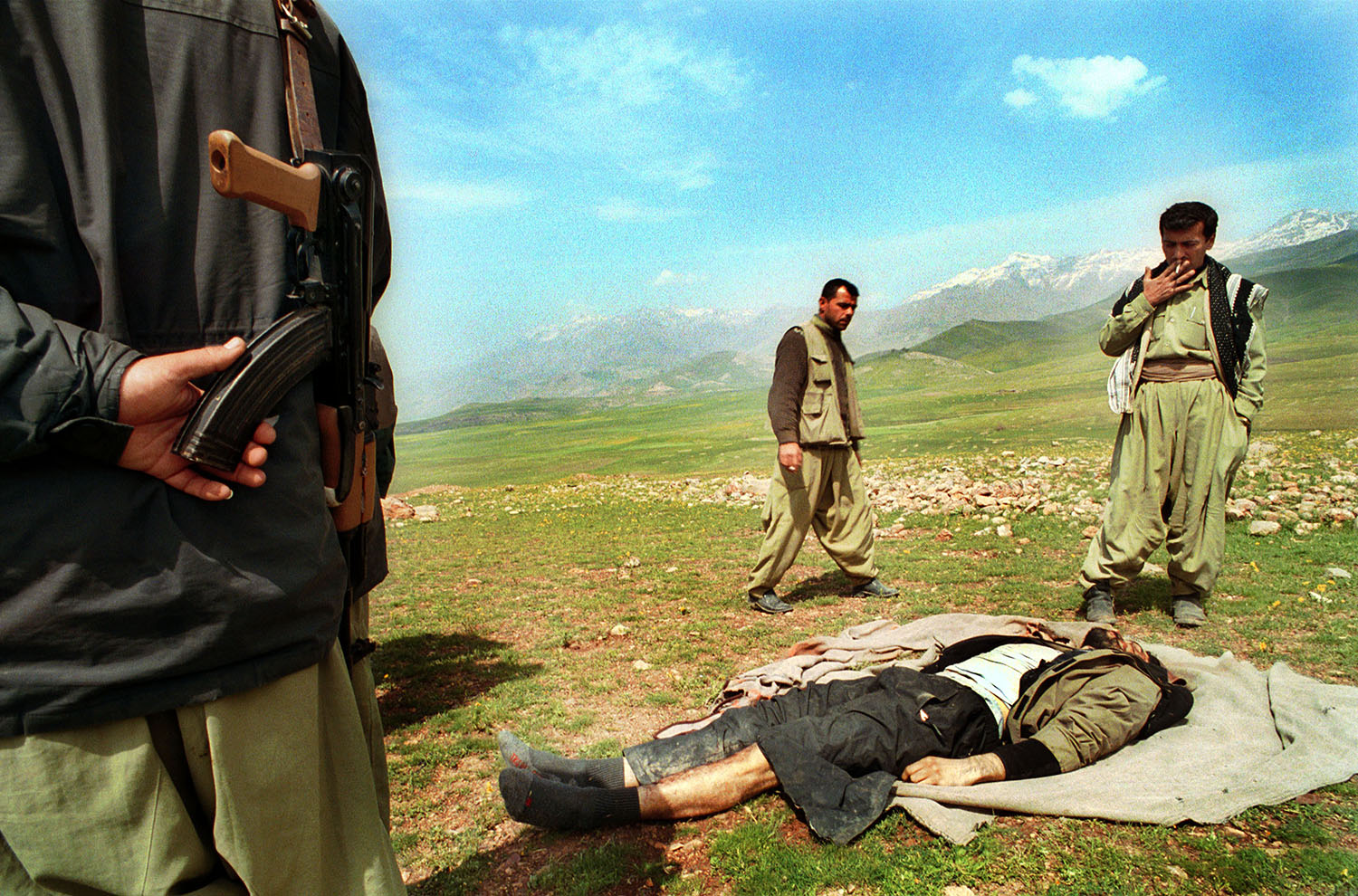
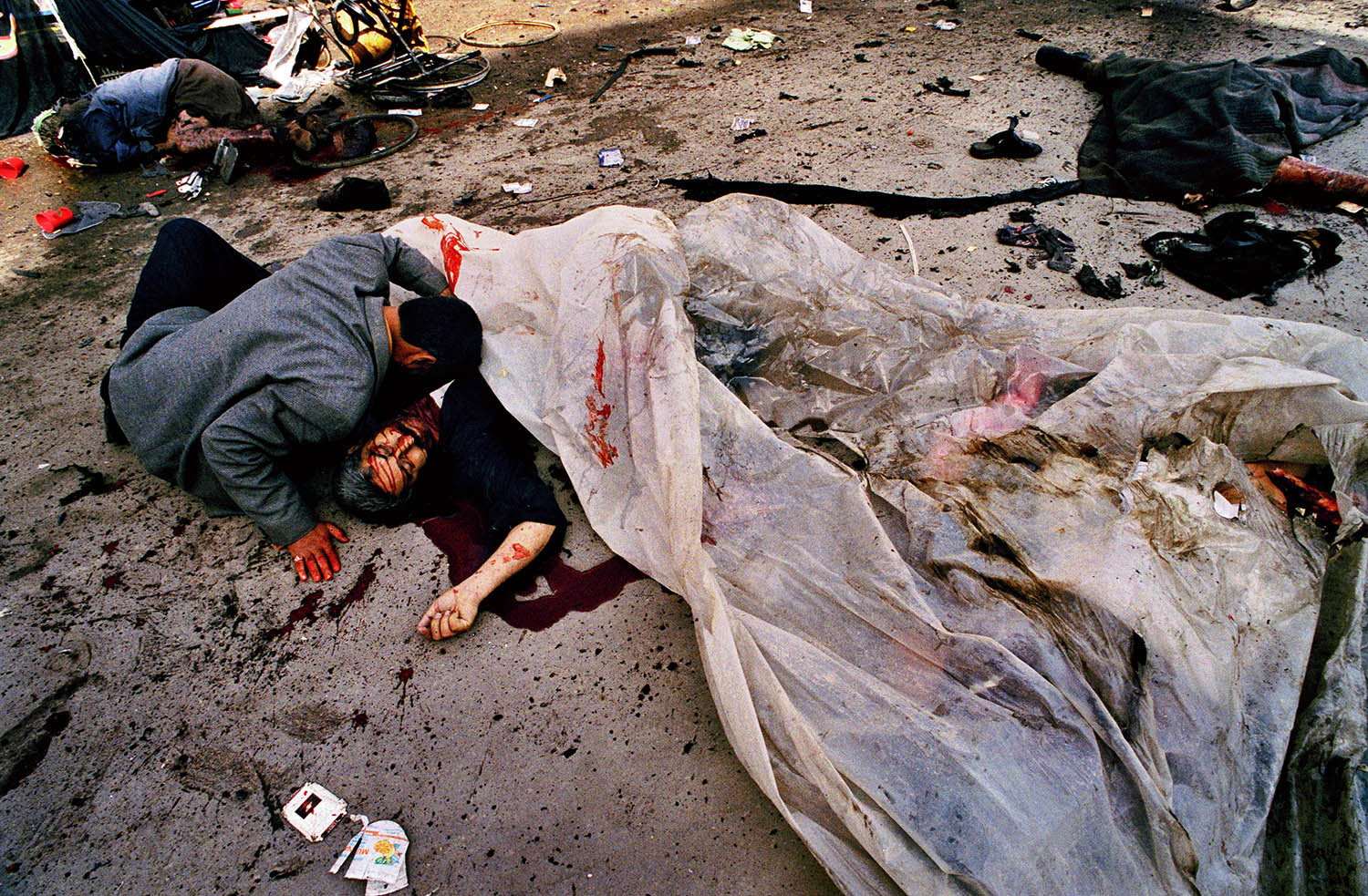
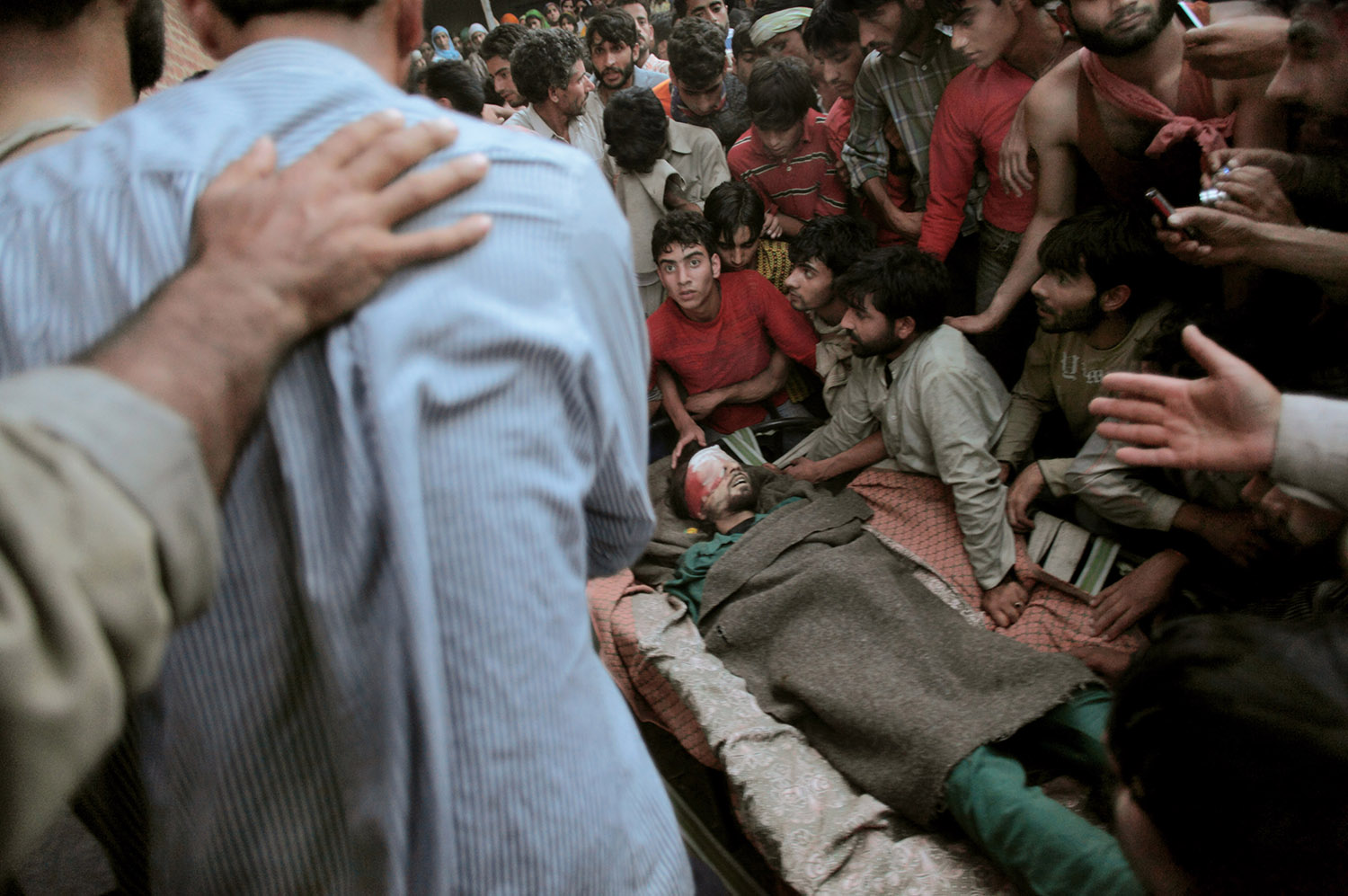
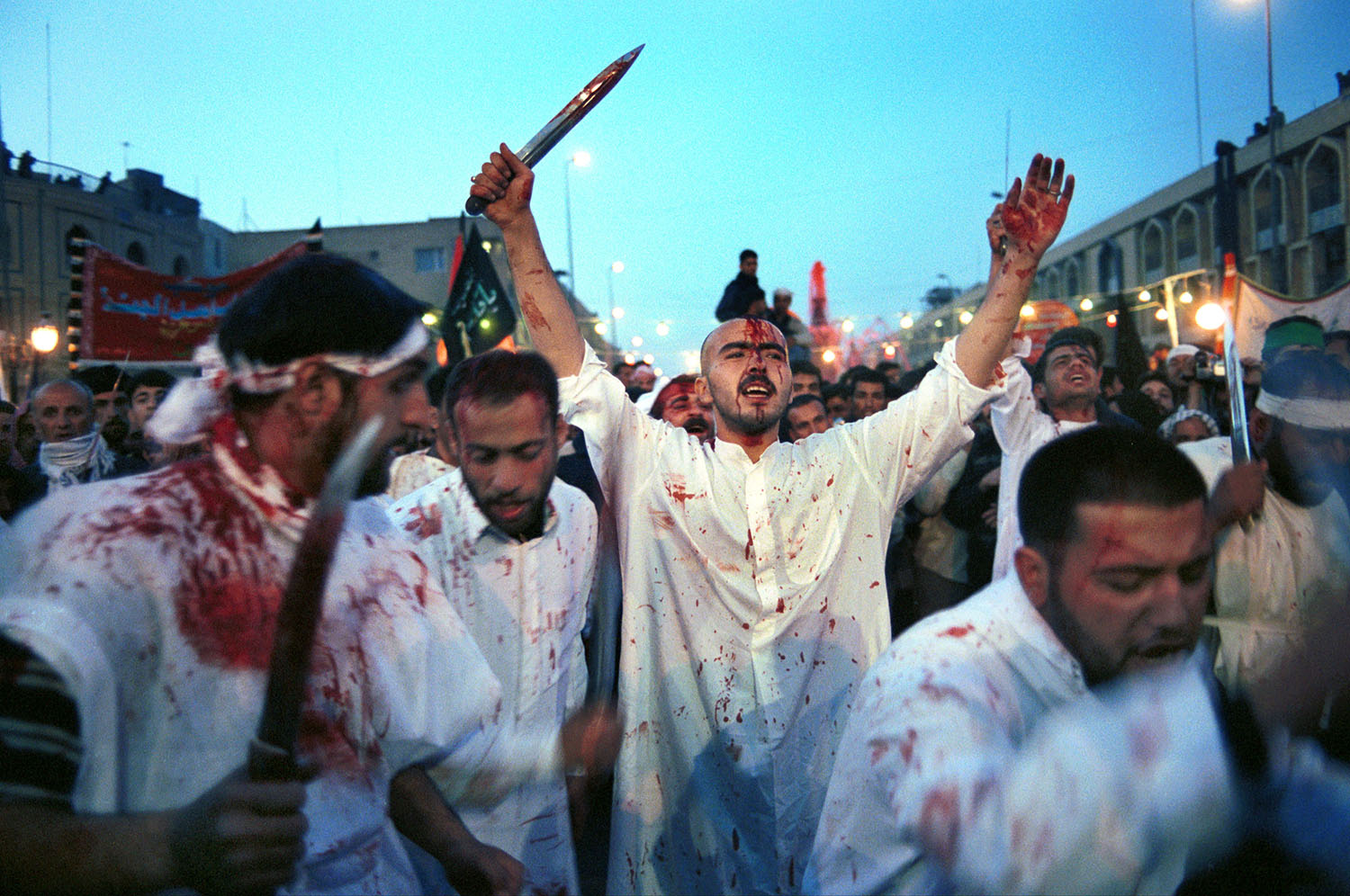
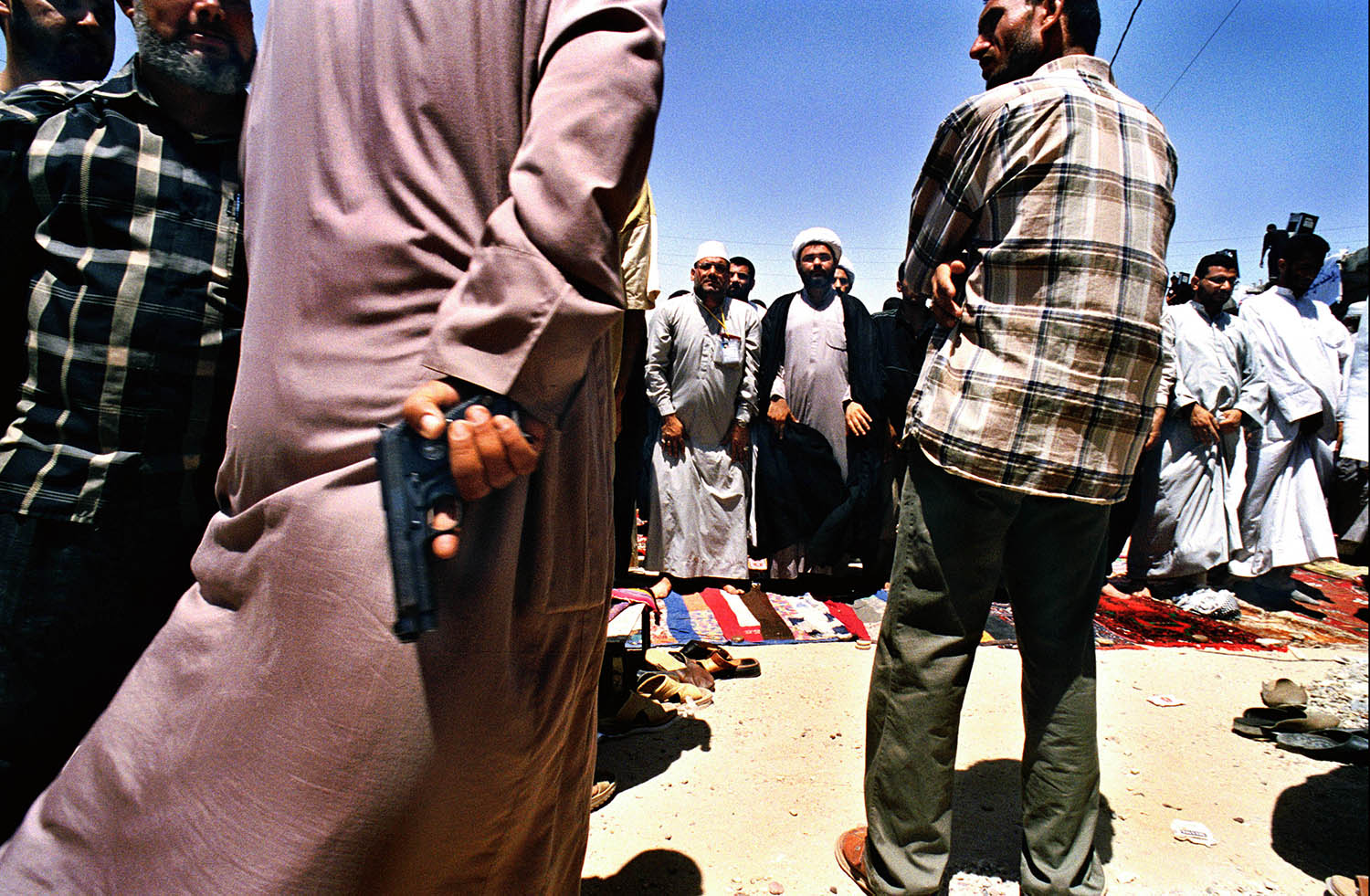
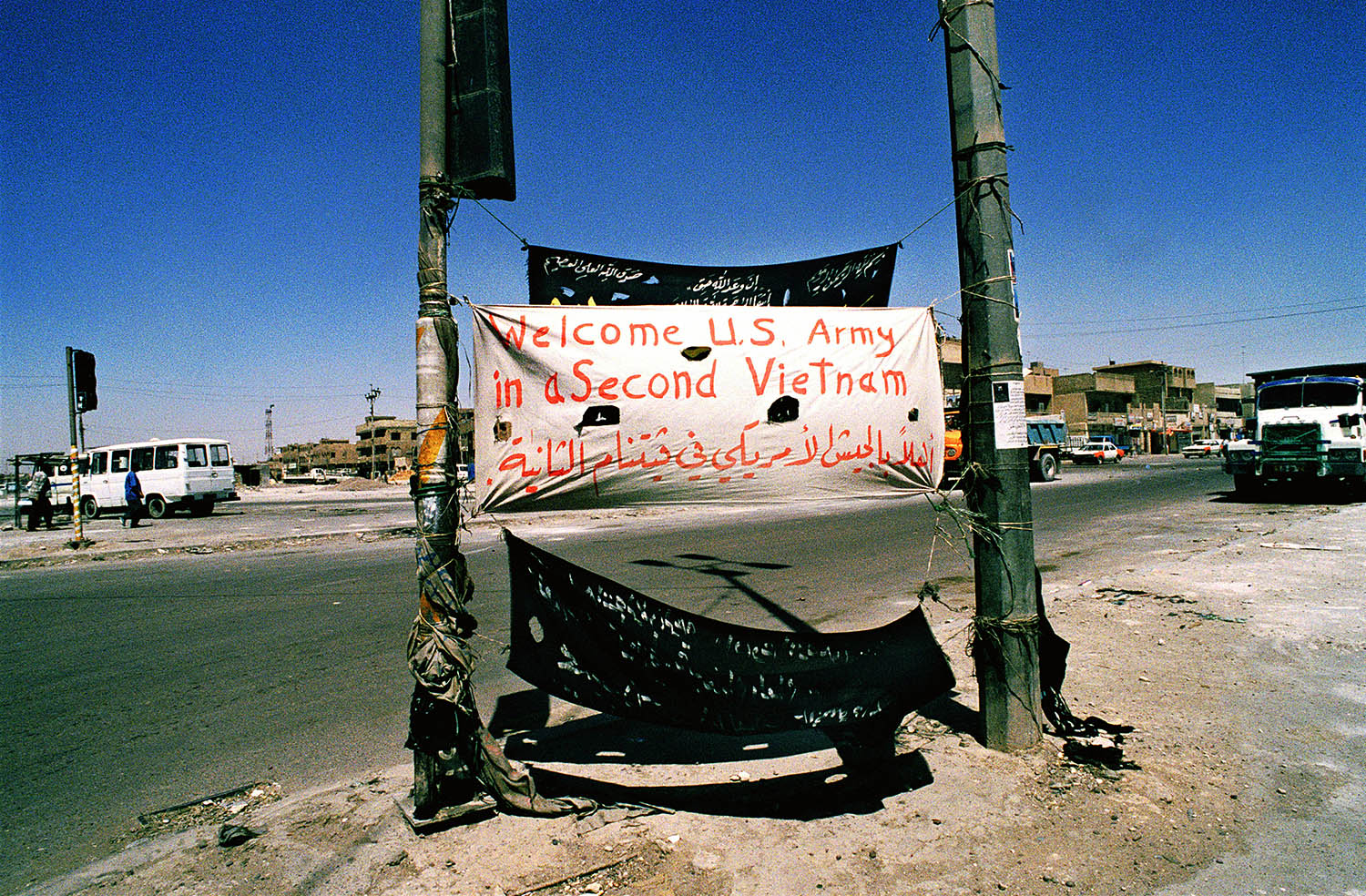
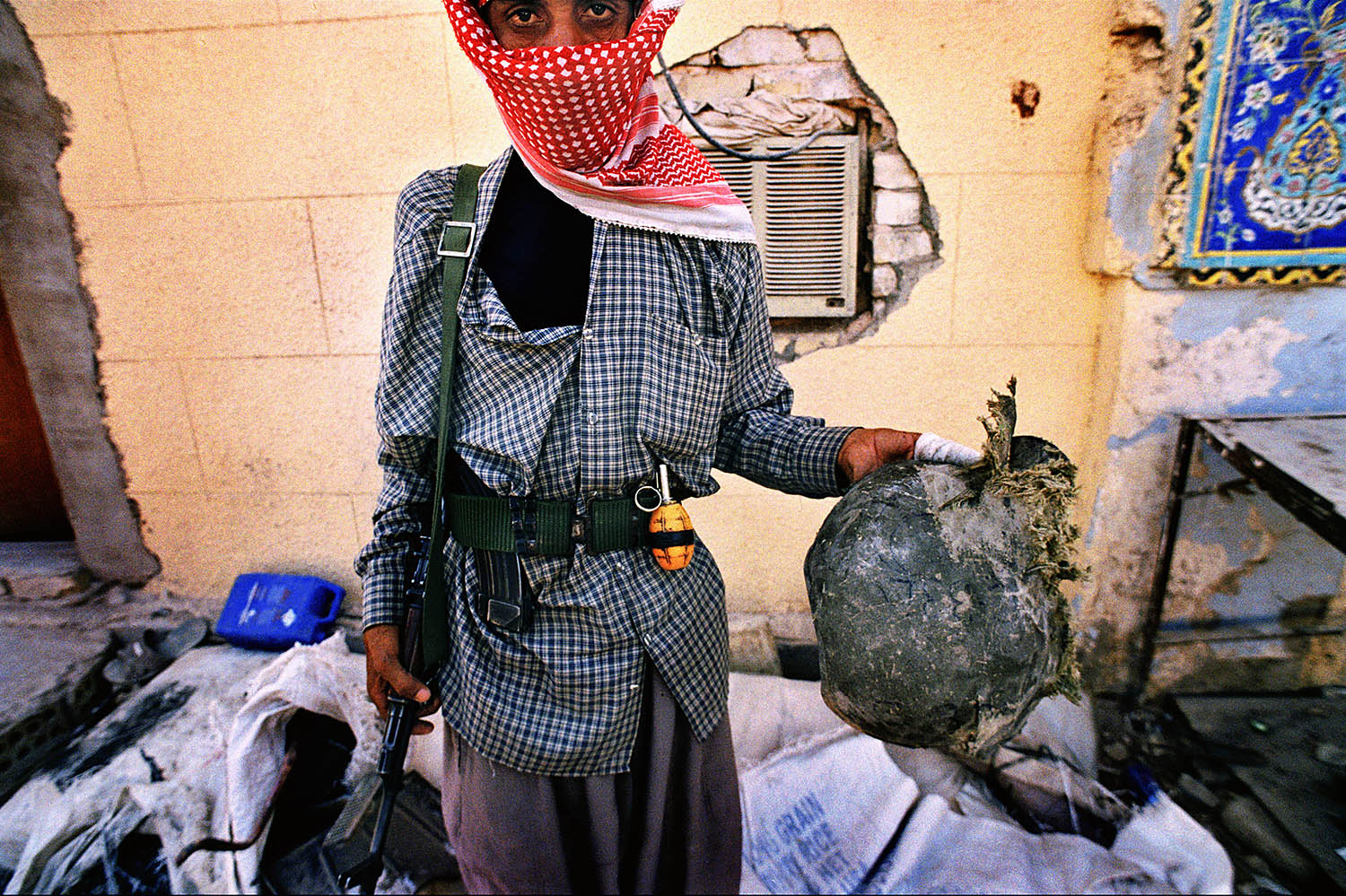
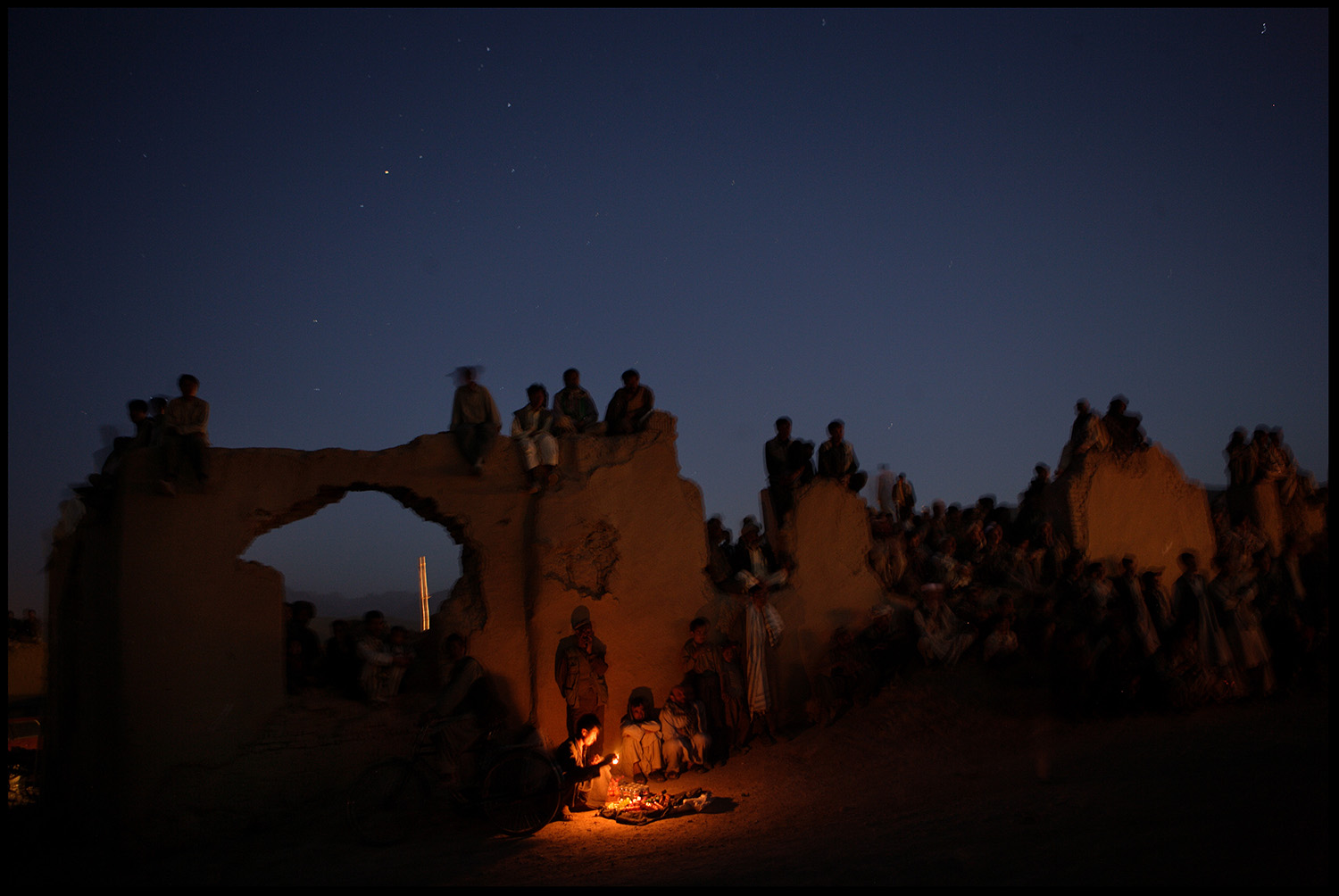
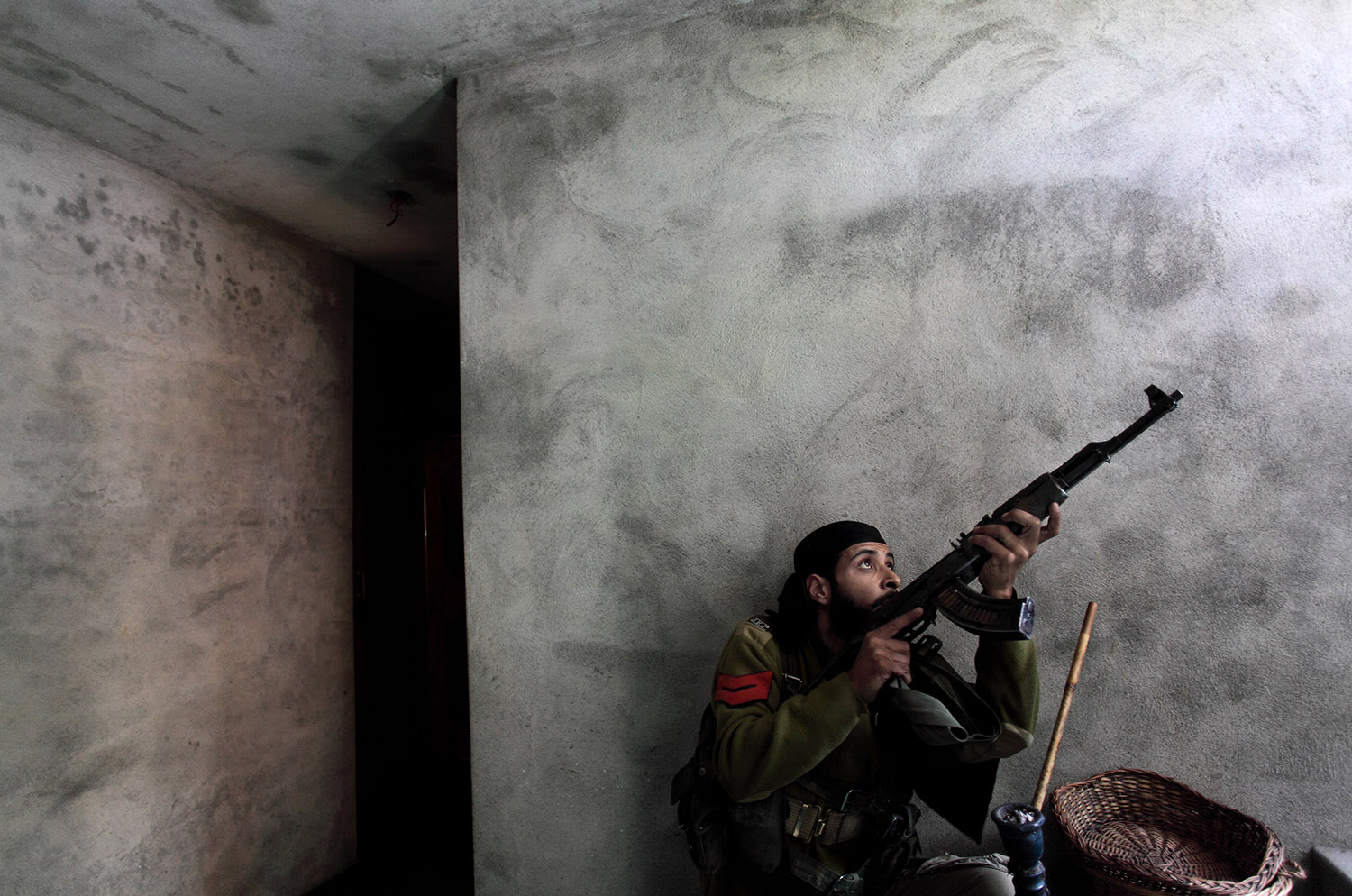
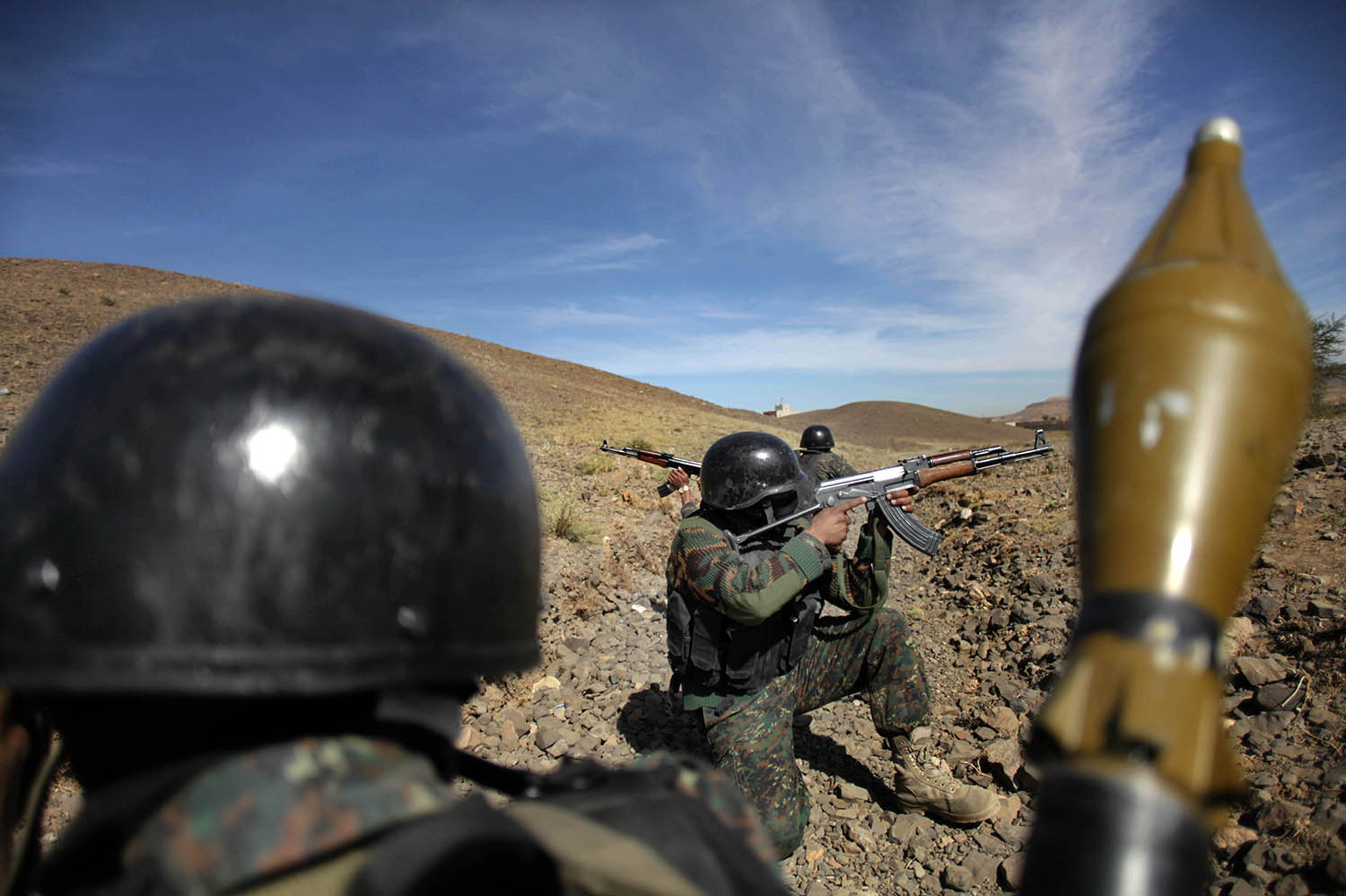
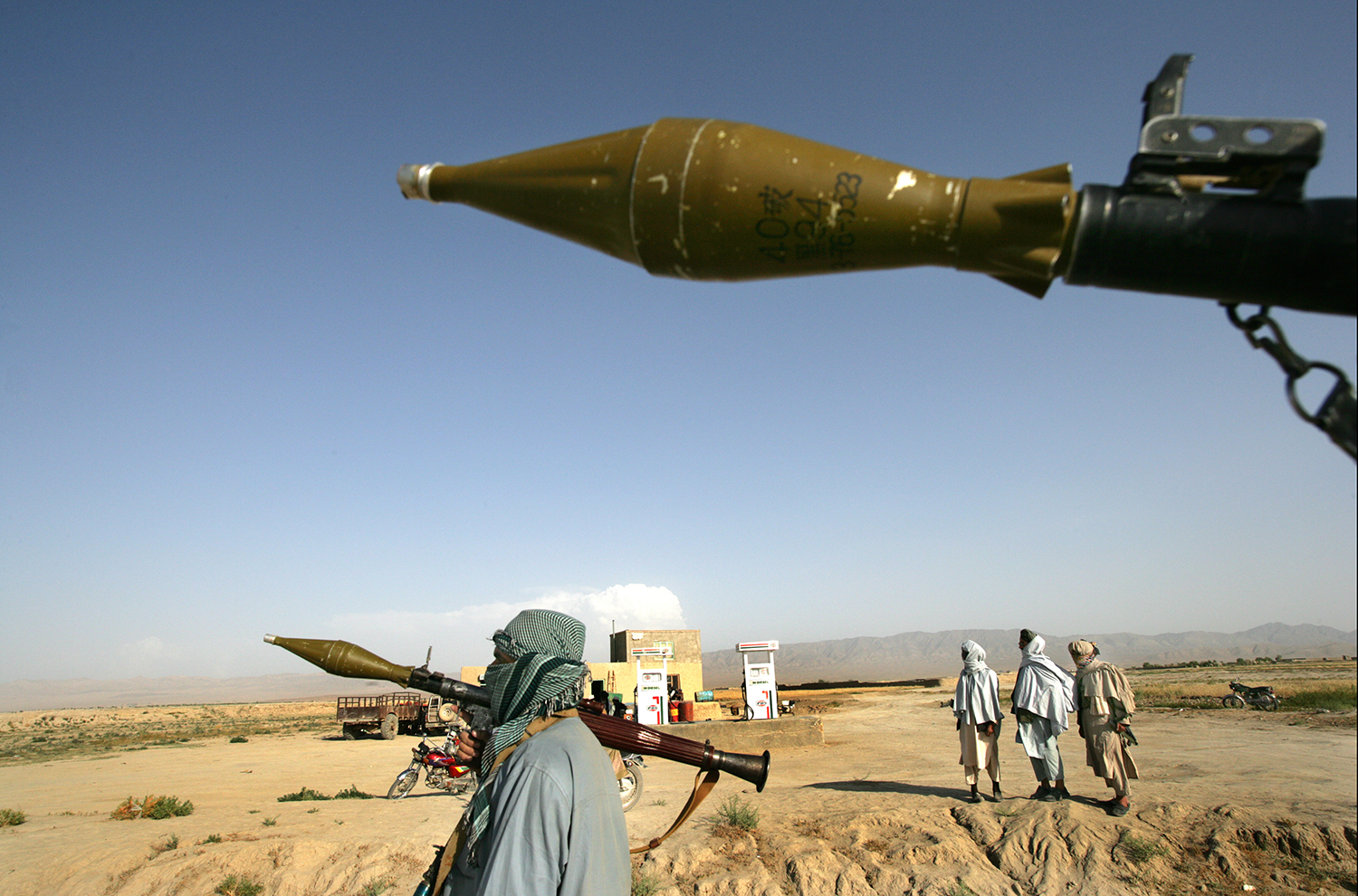
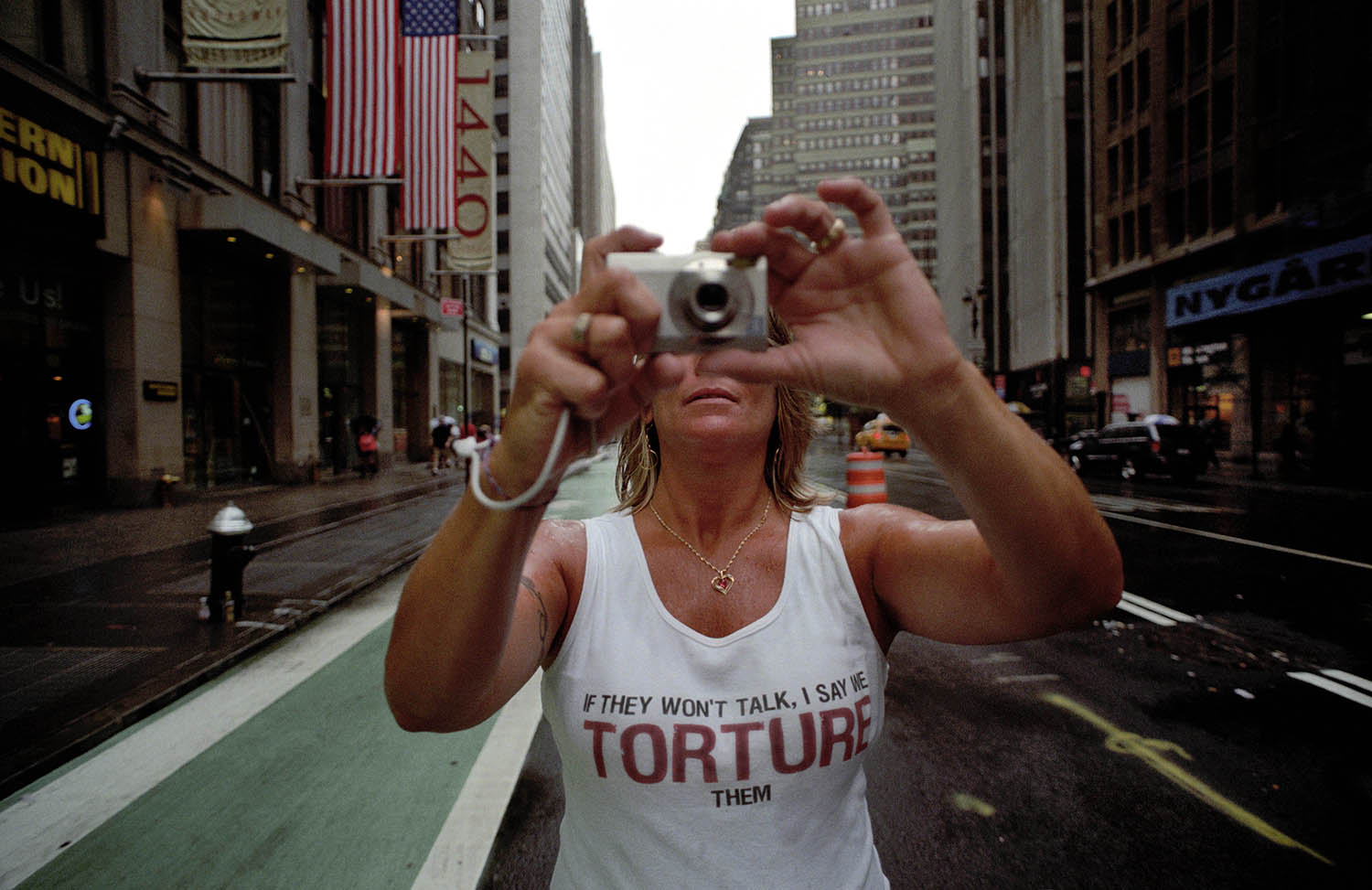
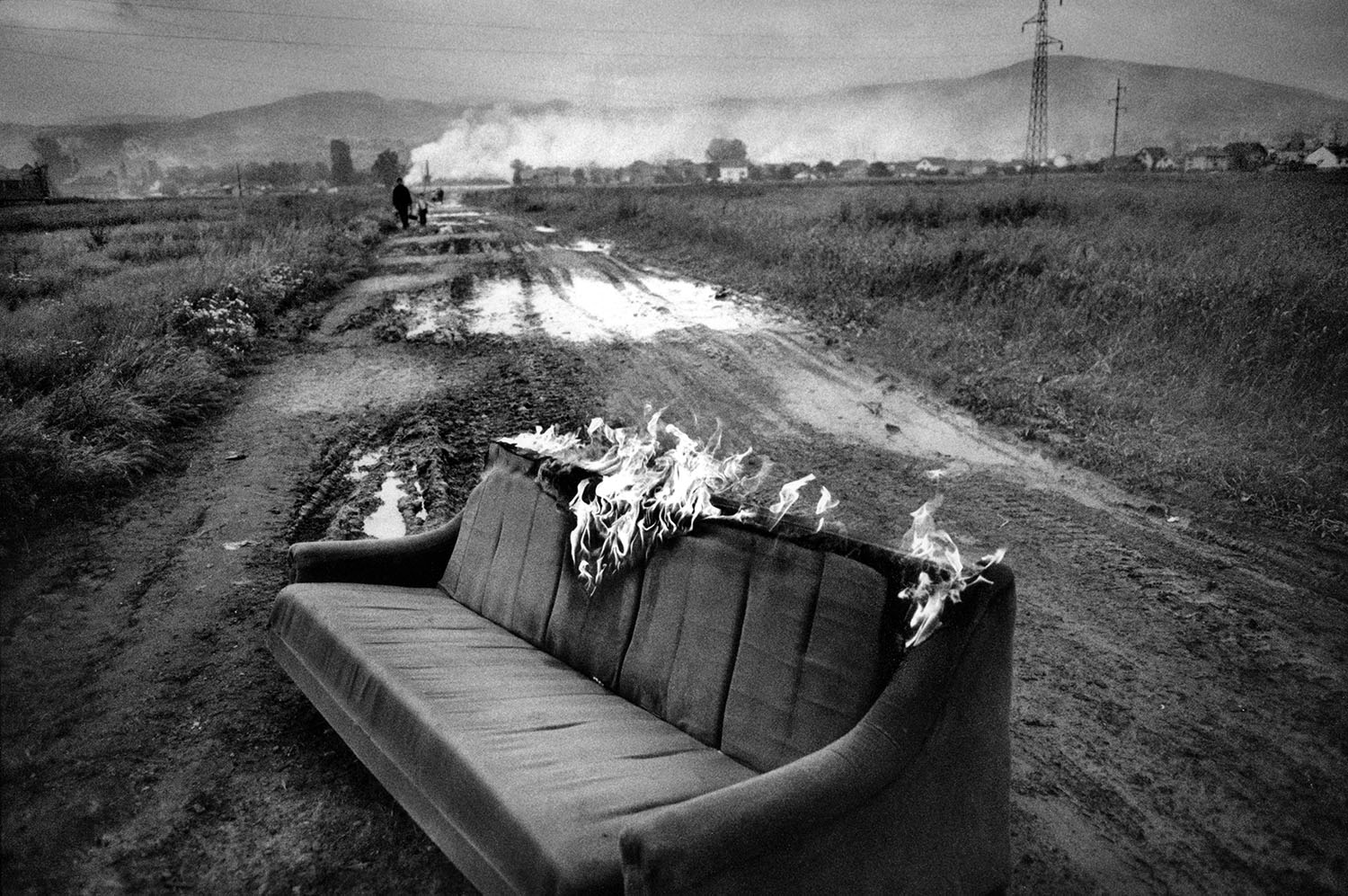
For almost two decades, working as a frontline photographer for The New York Times Magazine, Vanity Fair, Le Monde, Stern or GEO Magazines, I covered conflicts across four continents, traveling to over 95 countries. Kosovo. Gaza. Afghanistan. Somalia. The West Bank. The Democratic Republic of Congo. Kashmir. South Sudan. Yemen.
Then I stopped. Because I became convinced that images of conflict don’t change the people who see them, nor the lives of the people I photographed.
Drag to explore
Berlin, 2024
About
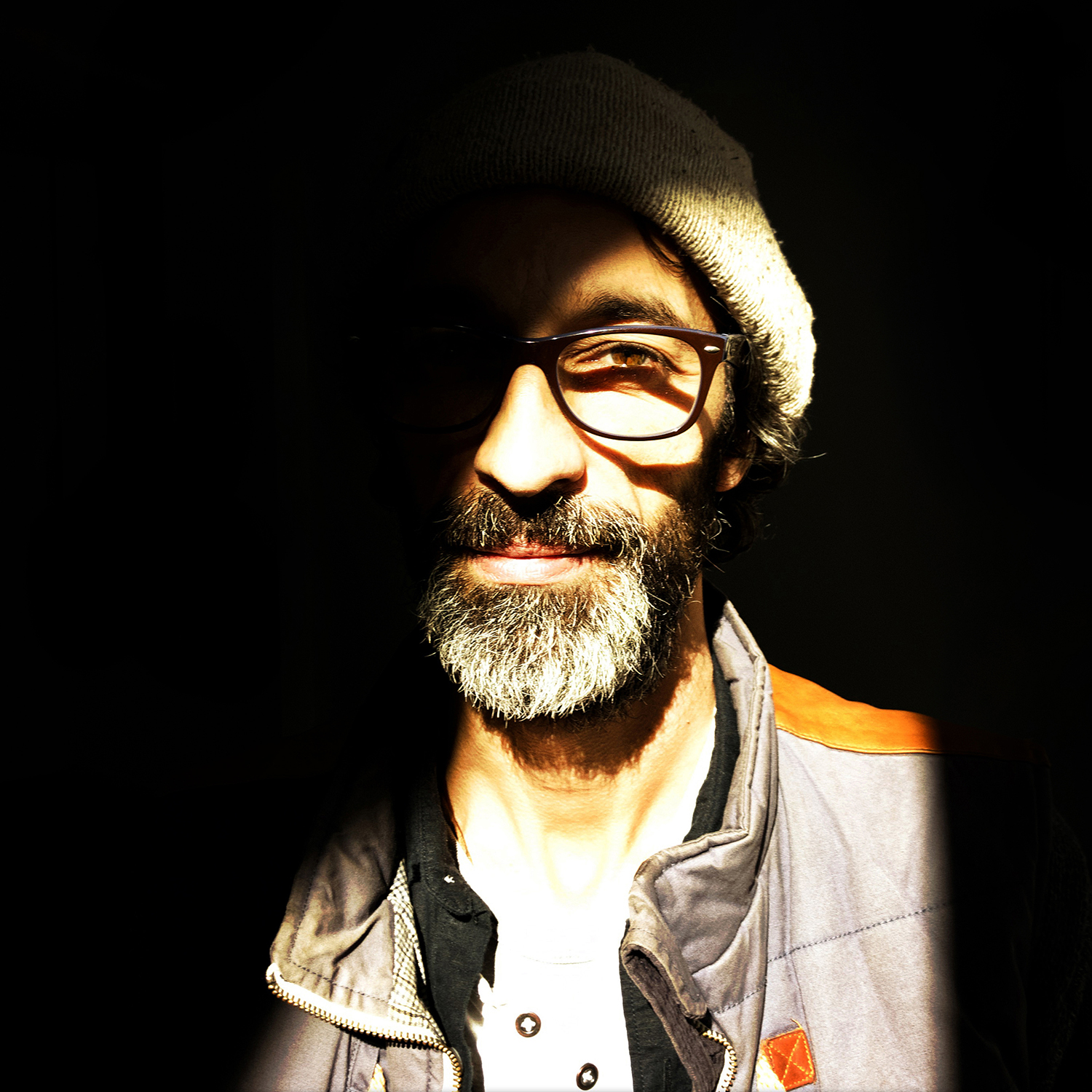
Karim Ben Khelifa is a Belgian-Tunisian artist working on how violence is perceived when it is no longer visible.
After nearly two decades as a frontline photojournalist, he abandoned the image, convinced that war photography no longer alters how conflict is understood or felt. His work begins where representation fails.
Rather than documenting war, he builds environments, through engineered absences, perceptual constraints and non-invasive bio-feedback, that require the viewer to actively reassemble what is no longer shown.
In doing so, he shifts the experience of conflict from the image to the consciousness of the observer, where it cannot be passively consumed.
His projects have been developed through residencies and fellowships at the Massachusetts Institute of Technology, Harvard University or the Center for Humans and Machines at the Max Planck Institute for Human Development, and exhibited on four continents.
Contact